
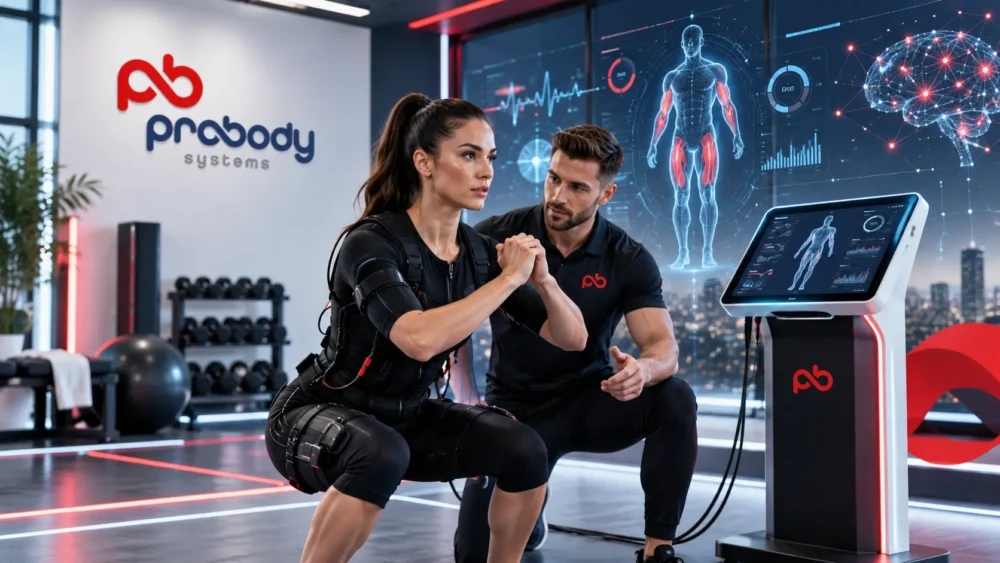
What Is EMS Technology?
Electrical Muscle Stimulation (EMS) technology is a method used to strengthen and rehabilitate muscles by stimulating them. The technology works by stimulating muscle fibres directly through an electrical current. Unlike conventional training techniques, EMS activates the muscles directly and therefore offers a more intense training experience. EMS systems are usually applied to the surface of the body using special electrodes, which send electrical signals targeting specific muscle groups.
The working principle of EMS is based on muscle fibres receiving electrical impulses within a certain time frame. Similar to a natural nerve signal, these impulses cause the muscles to contract. During this process, muscle fibres are activated at various levels, which can be highly effective for muscle development and recovery. EMS has become an alternative training method preferred especially by athletes and people who need physical rehabilitation.
The main muscle groups in which EMS is effective include the abdominal, back, leg and arm muscles. Because this technology makes it possible to isolate and work specific muscle groups, it allows targeted training. Moreover, EMS workouts have the potential to increase endurance as well as muscle strength. Compared with conventional training methods, EMS usually provides a shorter and more intense workout. That is why it is attracting more and more people every day.
Artificial Intelligence and Training Systems
Today, artificial intelligence (AI) is having a revolutionary impact on sport and training. AI-powered training systems have been developed to improve athletes’ performance and optimise training processes. Thanks to their ability to analyse large data sets, these systems make it possible to create personalised training programmes.
Artificial intelligence uses algorithms to collect and interpret athletes’ training data and draw conclusions from it. In addition to athletes’ past performance data, the system analyses biometric data such as heart rate, muscle activity and body temperature. In this way, it plays an important role in identifying which exercises are more effective during training and making the appropriate adjustments.
In addition, AI-powered training systems get better over time thanks to continuous learning mechanisms. In other words, while the system initially improves training processes using the data it collects, it also updates itself by drawing on users’ performance and feedback. For example, artificial intelligence can analyse which types of exercise individual athletes respond to best and restructure their workouts accordingly.
In conclusion, AI-powered training systems are becoming an important tool that enables athletes to train more efficiently and with a clearer focus on their goals. As these systems develop, more innovation and performance gains are expected in sport. Artificial intelligence will contribute to athletes’ holistic development by being integrated not only into training processes but also into other areas such as sports psychology and nutrition.
Advantages of Smart Training Systems
The combination of EMS technology (electrical muscle stimulation) with artificial intelligence is bringing about revolutionary changes in the world of sport. This combination enables the creation of smart training systems that improve athletes’ performance, offer more effective training methods and develop individualised programmes. One of the biggest advantages of these systems is that they can create personalised training programmes by taking each user’s physical characteristics and goals into account.
Working together with EMS technology, artificial intelligence can analyse users’ past performance data. This helps determine which muscle groups are activated more during training and where weaknesses occur. As a result, it is possible to offer targeted programmes focused on users’ needs. This kind of personalisation speeds up athletes’ progress while also reducing the risk of injury.
Another important advantage is time management. In today’s busy lifestyles, finding time to exercise can be difficult. Thanks to EMS technology, smart training systems make it possible to achieve more effective results in less time. By allowing intense workouts in a short time, these systems help users save time while also increasing efficiency. As a result, athletes can keep up their training more regularly and effectively.
In conclusion, the integration of EMS technology with artificial intelligence offers significant innovations and advantages in the world of sport. Developments in personalised training programmes and time management are improving athletes’ performance and taking training efficiency to new heights.
User Experience and Feedback
Electromyostimulation (EMS) and AI-powered training systems have significantly transformed many users’ training routines. Looking at user experiences with these systems, many people report positive outcomes both physically and mentally. Users highlight the fast results of EMS training as well as the impact of the personalised training programmes offered by artificial intelligence.
Many users say they experience an intense workout thanks to the muscle stimulation provided by EMS. Such systems offer an ideal solution for people who want effective results in a short time. People with busy lifestyles in particular may struggle with conventional training methods because of time constraints. EMS workouts have become a great source of motivation for users in this group.
In addition, the ability to personalise AI-powered systems helps users create programmes that suit their goals. This allows users to track their progress and continuously improve their training. By analysing user feedback, artificial intelligence helps strengthen training discipline and boost motivation, thereby contributing to more effective results.
In conclusion, the experiences of users who benefit from EMS and AI-powered training systems reveal the potential of these innovative technologies to improve athletic performance. User feedback shows that these systems not only increase physical strength but also have a positive impact on people’s overall quality of life.
Future EMS and Artificial Intelligence Trends
Electromyostimulation (EMS) technology is attracting attention as a tool that is revolutionising sport and health. In the future, the integration of EMS with artificial intelligence will further increase the potential of this technology. Artificial intelligence will play an important role in data analysis and in creating personalised training programmes. The combination of these two technologies will make the data collection and analysis functions needed to optimise athletes’ performance more effective.
In the coming years, training processes may become more interactive through the combined use of EMS and artificial intelligence. While artificial intelligence can offer recommendations in line with individual training goals, EMS will contribute to athletes’ development by working muscle groups effectively. These applications can also be used to prevent sports injuries and speed up recovery.
In addition, opportunities for remote training and assessment are expected to grow thanks to secure network technologies. AI-powered EMS systems will allow users’ workouts to be monitored remotely. This will enable professional athletes in particular to stay in constant contact with their coaches. As a result, it will be possible to develop training programmes based on athletes’ needs and improve their performance by providing real-time feedback.
In conclusion, the integration of EMS and artificial intelligence will drive further development of services in sport and health. New technological trends, continuous innovation and improved user experiences are critical to the future success of EMS. That is why the steps taken in this field will be followed with great interest.
Competitive Sport and EMS Applications
In competitive sport, efforts to maximise athletes’ performance have always been a priority. Electrical muscle stimulation (EMS) technology has become an important part of these efforts. By activating muscles through electrical impulses, EMS ensures that the targeted muscle groups work more effectively during training. This method offers athletes major advantages in both training and recovery.
When advanced EMS applications are integrated into professional athletes’ training programmes, they increase muscle strength. This technology stands out especially in sports that require rapid strength development. For example, sprinters, swimmers and athletes in team sports are among those who experience performance gains with EMS. When used alongside conventional methods in training, it can accelerate muscle development and reduce the risk of injury.
EMS technology plays an important role not only during training but also during recovery. Athletes use this technology to reduce muscle fatigue and shorten recovery times after intense training. Electrical stimulation increases blood flow, allowing muscles to receive oxygen and nutrients more quickly. This helps athletes recover from training loads more efficiently.
In conclusion, EMS technology plays a critical role in improving performance and preventing injuries in competitive sport. EMS applications integrated into athletes’ training programmes provide a competitive advantage at professional level and make a positive contribution to athletes’ careers.
Health Benefits of EMS Technology
Electrical muscle stimulation (EMS) technology offers significant benefits in a variety of health areas. It stands out as an effective tool especially in rehabilitation, muscle strengthening and maintaining general health. By stimulating muscles through electrical signals, this technology offers a wide range of applications such as physical therapy and sports rehabilitation.
In physical therapy, EMS is used to prevent muscle atrophy after injuries or to increase existing muscle strength. When muscles cannot be stimulated naturally, EMS systems activate them and help strengthen the muscle fibres. This compensates for the muscle loss experienced especially after immobilisation or prolonged bed rest.
In addition, when supported by nutrition and lifestyle, EMS systems are an effective way to promote a healthy life. Regular sessions can increase muscle tone, help reduce body fat and improve overall physical endurance. EMS technology is also frequently used by athletes, providing the strength and endurance they need by targeting muscles with the aim of improving performance.
In conclusion, EMS applications have many positive health effects. Its supporting role in rehabilitation, its effectiveness in strengthening muscles and its contribution to maintaining a healthy life increase the importance of this technology. Furthermore, it is clear that the benefits offered by EMS systems will be even greater when combined with physical activity and a healthy lifestyle.
Future Challenges and Obstacles
While AI-powered electrical muscle stimulation (EMS) systems offer an innovative approach in sport and fitness, the adoption of this technology will also face some important challenges and obstacles. First of all, technological challenges bring a constant need for innovation and development to increase the effectiveness of EMS systems and make them more user-friendly. Software updates, sensor accuracy and the quality of data analysis will play a critical role in the development of these systems.
Another important issue is ethics. The use of artificial intelligence and EMS technology may raise concerns about the security and privacy of user data. In particular, clear and transparent rules will need to be established about how users’ training data is used when it is collected and processed. In addition, potential misuse or abuse of these systems could have serious consequences for health and safety.
Finally, legal barriers also play an important role. AI-powered EMS systems may be subject to various legal regulations. These regulations may cover issues such as product safety, conditions for placing products on the market and users’ rights. Manufacturers’ compliance with these legal frameworks and obtaining certificates of conformity are essential for the technology’s success in the market.
In conclusion, although AI-powered EMS systems have great potential for the future, the technological, ethical and legal challenges mentioned above will need to be overcome. Overcoming these obstacles will allow these systems to be adopted by a wider audience.
Conclusion and Future Outlook
EMS (electromyostimulation) technology and artificial intelligence are causing revolutionary changes in sport and fitness. Integrating these technologies makes training processes more effective and personalised, while also making it easier for people to reach their fitness goals. The advantages of EMS technology enable muscles to work faster and more efficiently, improving athletes’ training performance.
In addition, AI-powered smart training systems keep motivation high by creating personalised training programmes and continuously monitor users’ progress. The growing use of such systems will offer a more efficient training experience for both amateur and professional athletes.
At the same time, it is important to consider the long-term effects of EMS and AI technologies. These systems, which have positive effects on people’s health and fitness levels, can also contribute to public health in general. For example, the widespread use of these technologies could help reduce obesity rates and encourage physical activity.
Furthermore, the adoption of these technologies in the sports industry can contribute to the sector’s economic growth by offering innovative solutions. Investments in education and athlete development can pave the way for better-qualified athletes and, in turn, greater success on the international stage.
In conclusion, the future potential of EMS technology and AI-powered smart training systems goes beyond making people’s sporting experiences more beneficial and offers important opportunities for public health. The development and spread of these technologies may lead to positive changes in sport and health in the future.
