
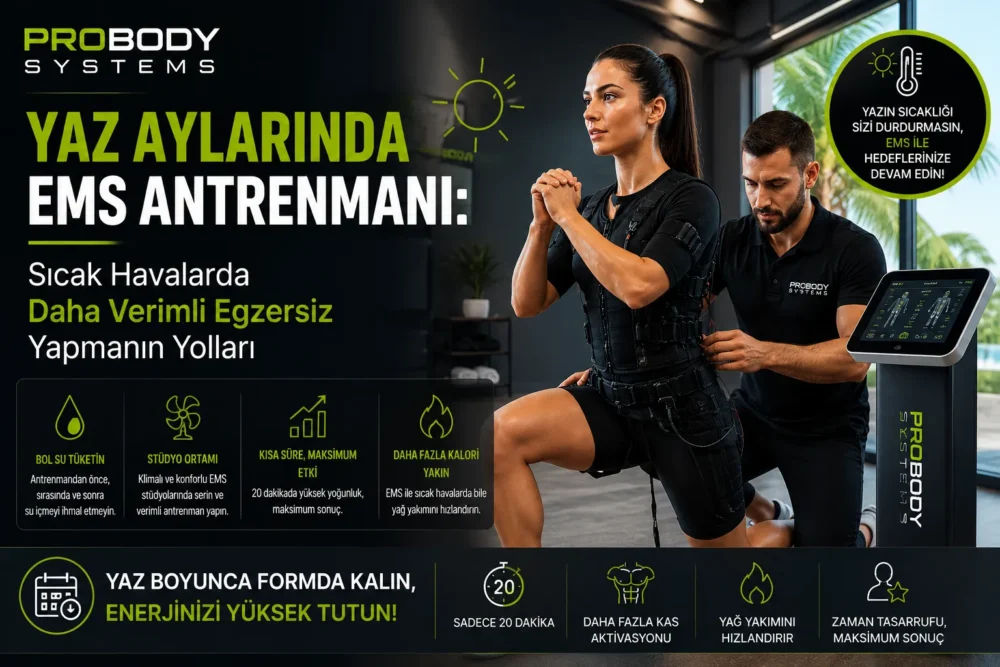
The Challenges of the Summer Months
Exercising in the summer months brings some challenges because of the hot weather. Especially in outdoor activities, high temperatures and humidity can have a negative effect on sports performance. The body uses more energy to maintain its optimal temperature balance in a hot environment, which can increase the feeling of fatigue during exercise.
One of the most common challenges of exercising in hot weather is increased sweating. Sweating is an important mechanism for cooling the body, but excessive sweating can lead to fluid loss and brings the risk of dehydration. Dehydration requires care because it can cause muscle cramps and a general drop in performance. That is why fluids should be taken regularly before and during exercise.
In addition, exercising for long periods in hot conditions can lead to serious health problems such as heatstroke. Heatstroke is a potentially dangerous condition in which body temperature rises above normal. That is why care should be taken when exercising in the summer months, and precautions such as resting in the shade when necessary or choosing times of day when temperatures are more suitable should be taken.
Summer fitness tips include supporting your exercise programme with EMS technology. EMS training makes it possible to carry out effective workouts in a short time. In hot weather, EMS fitness can help minimise drops in performance by protecting the body from overload. That is why EMS training offers safe and efficient alternatives for people who want to exercise in the summer months.
What Is EMS Training?
EMS (electronic muscle stimulation) training is an exercise method in which the muscles are worked through electrical stimulation. This technology offers a solution for people who want to improve their sports performance and support muscle development. Unlike conventional exercise methods, EMS training works the muscle fibres by targeting them directly. Generally adopted by professional athletes and fitness enthusiasts, this method has become a form of training that appeals to a wide audience in recent years.
EMS training is carried out with electrodes placed on the body. These electrodes send electrical signals to the muscles to make them contract. Combined with natural muscle movements, this electrical stimulation creates an effective training experience. When exercising in hot weather, EMS technology offers important advantages because it makes it possible to work the muscles effectively even with low-intensity activity.
While the challenges of exercising in the summer include heat and humidity, EMS training gives you the chance to minimise these problems. Requiring less physical activity, it is among the summer fitness tips and is ideal for improving sports performance. In addition, combining EMS training with stretching movements supports body health and flexibility. EMS fitness therefore increases the desire to exercise in the summer months and offers an effective alternative for staying in shape.
Advantages of EMS Training in Hot Weather
Some advantages of exercising in hot weather become clear when EMS training in particular is considered. Electromyostimulation (EMS) technology stimulates the muscles while allowing the body to achieve more muscle activation with less energy expenditure. This feature makes exercising in the summer months more efficient. Given the difficulties of spending long periods in the sun, short, intensive EMS workouts provide maximum effect in minimal time.
In addition, exercising in hot weather makes the body sweat more during training. As long as you drink enough fluids, your body can cope well with this, and training in the heat can even help improve endurance over time. EMS fitness is preferred in this process because it provides high efficiency with low risk.
Hot weather can often reduce people’s desire to exercise. However, because EMS training is carried out indoors, it is not affected by poor weather conditions outside. This is a practical solution among summer fitness tips. People with busy schedules in the summer months in particular can easily fit EMS training into their routine in terms of time management. In this way, efficiency increases and exercise habits can be maintained.
Preparing for EMS Training in Hot Weather
When exercising in hot weather in the summer months, the right preparation steps are among the important factors to pay attention to. Because EMS training works the muscles through electrical stimulation, it can be particularly effective in hot weather. However, some preparation is necessary before using this training method.
First of all, choosing suitable clothing is very important. When exercising in the summer months, light, breathable clothing should be preferred. While natural fabrics such as cotton help regulate body temperature, synthetic materials may increase sweating. In addition, comfortable clothing in EMS fitness sessions is important to allow the muscles to work freely.
Another point to consider during preparation is the pre-workout warm-up routine. When exercising in hot weather, warming up the muscles and joints sufficiently reduces the risk of injury. Doing dynamic stretching to increase blood flow and raise body temperature makes the workout more efficient.
Because there is a high chance of sweating during EMS training, paying attention to hydration is extremely important. Drinking enough water helps regulate body temperature and improves your sports performance. Post-workout cool-down routines should not be neglected either. Cooling down helps the muscles recover and prevents muscle tension that may occur after exercising in hot weather.
Training Routines for Hot Weather
Choosing suitable training routines is extremely important for improving sports performance in the summer months. EMS training technology can be used effectively even when exercising in hot weather. High temperatures can make exercise difficult, but these challenges can be overcome with the right strategies.
First of all, EMS sessions of about 20 minutes are recommended for adult exercisers. This duration allows the muscles to work effectively and is the key to preventing overheating. Starting with one to two sessions a week, with at least 48 hours of rest in between, will improve the body’s adaptation and, combined with the rest periods that should be kept in mind in hot weather, make it easier to reach your fitness goals.
Increasing water intake is also very important. Staying adequately hydrated when exercising in hot weather both improves performance and helps EMS fitness sessions go more efficiently. On training days, drinking at least 2–3 litres of water a day is recommended. This helps the body perform well in extreme heat.
An effective training routine for hot weather should be scheduled early in the morning or in the evening, reducing the risk of exposure to the hottest hours of the day. Do not forget to add dynamic warm-up and cool-down movements to your EMS workouts. This both improves adaptation to the climate and reduces the risk of injury. In conclusion, summer fitness tips and EMS training can be carried out effectively in hot weather when applied correctly.
Nutrition Tips for Hot Weather
It is important for people who exercise in the summer months to have the right eating habits so that they can exercise more efficiently without being affected by the heat. Especially when exercising in hot weather, attention must be paid to fluid intake. This means drinking enough water throughout the day and replacing the fluid lost through sweating. This improves sports performance and can make EMS training more effective in the summer months.
In addition, among summer fitness tips, natural fruit juices or drinks containing electrolytes can be chosen to replace the electrolytes lost through sweating. However, it is advisable to avoid ready-made drinks with a high sugar content. Foods that provide energy naturally should be preferred. For example, fruit and vegetables can both meet your water needs and keep the body cool by providing vitamins and minerals.
Choosing light meals is beneficial, especially in hot weather, so as not to burden the digestive system. Protein sources, complex carbohydrates and healthy fats should be eaten in a balanced way. To support your EMS fitness programme, you can also have snacks between meals without overindulging. Especially in the summer months, balanced nutrition is possible by choosing light options such as fresh fruit, yoghurt and nuts.
Finally, in addition to nutrition, it is also important to pay attention to meal timing. When exercising in hot weather, choosing refreshing foods can help create a strategic nutrition plan both before and after physical activity.
The Importance of Hydration
When exercising in the hot summer months, the importance of adequate fluid intake should never be overlooked. Exercising in summer raises body temperature and increases sweating. This leads to water and electrolyte loss and can have a negative effect on sports performance. Especially during EMS training, adequate hydration is critical for nourishing the body and keeping the muscles working at an optimal level.
When exercising in the summer months, keeping the body’s water level balanced ensures that the muscles work properly and performance stays at its best. The fluid and minerals lost through sweating when exercising in hot weather can also affect muscle recovery and cause fatigue. That is why you should pay attention to drinking enough water to support your EMS fitness programme and improve your sports performance.
Ideal drinks for hydration are not only water but can also include sports drinks. Such drinks help you replace lost electrolytes. Summer fitness tips include meeting your daily water needs and consuming suitable drinks before, during and after exercise. Especially when exercising in hot weather in summer, drinks containing potassium and magnesium, as well as water, are beneficial for supporting muscle relaxation and recovery.
In summary, adequate fluid intake significantly increases the success of EMS training in the summer months. Hydration should not be neglected, for both performance and general health.
Recovery Methods After EMS Training
Sports and EMS training carried out in the summer months can be physiologically demanding because of the high temperatures. That is why the recovery process after training is very important. After training, the muscles need rest following a period of intense exercise. Not resting the muscles properly can increase the risk of injury and have a negative effect on sports performance.
First of all, it is necessary to adopt the right eating habits after training. In EMS fitness, attention should be paid to protein intake, which supports rapid muscle recovery. In particular, eating a protein-rich meal or a protein shake after training minimises muscle damage and speeds up recovery. In addition, drinking enough water is vital for people exercising in hot weather. Dehydration can have a negative effect on muscle recovery.
Some body-care methods used during rest are also important. Especially for people exercising in hot weather, applying a cold compress can help relax the muscles and reduce inflammation. In addition, various stretching and relaxation techniques can be used to help the muscles recover more quickly. All of these methods optimise recovery after EMS training and improve sports performance in the long term.
Conclusion: Ways to Reach Your Goals in the Summer Months
Exercising in the summer months comes with the challenges of exercising in hot weather. This makes EMS training an effective method and the key to reaching fitness goals. EMS technology is a training system that improves body performance through muscle stimulation. In this article, we have looked at how to make EMS training more efficient with summer fitness tips.
First of all, water intake is a critical factor when exercising in the summer months. Ensuring adequate fluid intake to keep the body healthy helps improve sports performance. It is also important to train at the right times to avoid the sun and to choose suitable clothing. In addition, you may want to consider training in the morning or late evening, which makes exercising in hot weather easier.
EMS fitness makes the muscles work with less effort and also reduces the risk of dehydration. Using this method in the summer months can both save time and allow you to move with less strain. Especially for people with a busy work schedule in summer, EMS training provides effective time management. It is possible to improve your results with a proper warm-up before exercise. With high-impact training techniques, you can achieve maximum efficiency in a short time.
In conclusion, there are many ways to use EMS training effectively to reach your goals when exercising in the summer months. Under the right conditions, at the right time and with enough motivation, you can enjoy reaching your summer fitness goals.
