
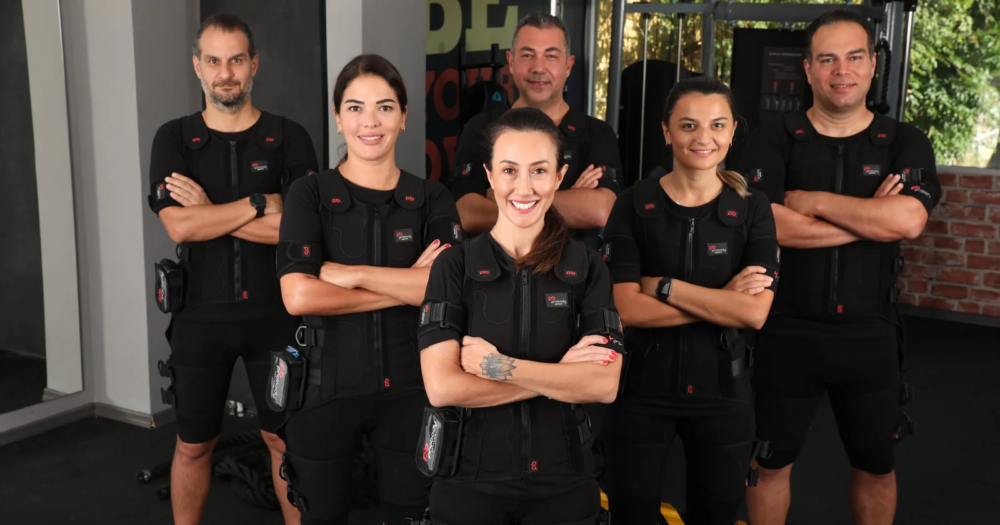
Definition of EMS Training
EMS training is a technique defined as electrical muscle stimulation, which aims to improve physical performance by stimulating the muscles with electrical currents. This method is widely used in a variety of health and fitness technology applications. The electrical currents are transmitted directly to the muscle fibres through electrodes placed on the skin. This process imitates the muscles’ natural contraction cycles, giving people the opportunity to work muscle groups they cannot reach with conventional training techniques.
The basis of EMS training is its ability to stimulate the muscle fibres effectively. During the session, low-frequency electrical currents are transmitted to the nerve endings of the muscle fibres, causing the muscles to contract. This supports hypertrophy and endurance while also reducing the risk of injury. When combined with conventional training, EMS training methods become a complementary element of general fitness programmes. For example, when used in addition to resistance training in a gym, it can speed up muscle growth and help the muscles work more efficiently.
At the same time, EMS training also has a variety of health benefits. It plays an important role especially in rehabilitation, regaining strength after injury and preventing muscle atrophy. Although electrical muscle stimulation is an effective method, it is recommended that it be applied under professional supervision to achieve the best results. In this way, both training performance increases and safety is ensured.
Benefits of EMS Training
EMS training is a fitness technology developed to make the muscles work more effectively using electrical muscle stimulation. This method offers many advantages for both people who want to exercise and those in rehabilitation. First of all, EMS training can bring a clear increase in muscle strength. By activating the muscle fibres, electrical muscle stimulation allows more muscle fibres to work at the same time than conventional exercise. This allows users to increase their muscle mass more quickly.
Another benefit is its support for fat burning. EMS training helps burn calories by speeding up the metabolism. Especially for people aiming to lose weight, it helps achieve more effective results when combined with conventional exercise. In addition, EMS training can make an important contribution to rehabilitation. Sessions can be carried out especially to regain muscle strength after injury, thus speeding up recovery.
EMS training also offers an important advantage in terms of saving time. Offering the opportunity to train intensely in short sessions, this method has become an ideal option for people with busy work schedules. Noticeable differences can be observed after just a few weeks of regular sessions, which increases people’s motivation to train. For all these reasons, EMS training has a notable position in the modern fitness world and offers various benefits for different user groups.
Who Is It Suitable For?
EMS training is a fitness method that aims to work the muscles effectively using electrical muscle stimulation technology. This technique offers an approach that can appeal to various groups and can be personalised according to different needs. It can benefit a wide range of people, from athletes to beginners and people in rehabilitation.
Athletes can use EMS training to support their training programmes and improve their performance. Electrical muscle stimulation makes the muscles work more intensely and can also speed up the recovery process. It stands out as an effective complementary form of training, especially for athletes with goals of increasing endurance and strength.
For beginners, EMS training offers an excellent opportunity in terms of making the muscles work correctly and become stronger. This technology can help beginners adapt to training programmes. With the right guidance, it can also contribute to developing muscle memory and therefore achieving a healthier physique.
EMS training also offers important support for people in rehabilitation. It can be used specifically to speed up strength gains after injury and prevent muscle loss. Applying this method helps the muscle work properly while also supporting pain management. In conclusion, EMS training is a flexible fitness technology that offers various advantages for athletes, beginners and people in rehabilitation.
Drawbacks of EMS Training
Although EMS training has many advantages, it is important to consider its potential drawbacks too. First, the cost of this type of training is relatively high compared with conventional training methods. Electrical muscle stimulation devices and sessions generally require an expensive investment. The prices of high-quality equipment used in professional settings in particular can be an obstacle for fitness technology enthusiasts. Users need to evaluate the costs before starting this type of training programme.
In addition, EMS training can have some side effects. Users may feel slight discomfort during training, or skin irritation may occur. Although these side effects are generally temporary, they may be uncomfortable for some people. High-intensity electrical currents may not be recommended for people with certain health conditions, so it would be wise to talk to a health professional, taking your medical history into account.
Session length is another point to consider. A whole-body EMS session generally lasts about 20 minutes; however, this may vary depending on personal goals and physical condition. Incorrect session lengths can lead to under- or over-training, which can lead to injuries. It is therefore important to get information about training duration and frequency.
By evaluating the drawbacks and potential risks of EMS training, those who want to try this method can make an informed choice. Although it has some impressive advantages, personal health and safety should always come first.
Choosing the Right EMS Equipment
EMS training helps stimulate and strengthen the muscles using electrical muscle stimulation. Choosing the right EMS equipment can greatly affect the effectiveness of this training. First, it is important to focus on the quality of the equipment. When choosing between the different brands on the market, attention should be paid to material quality and production standards. High-quality EMS devices improve the user experience by delivering more effective results.
It is also necessary to pay attention to the device’s price range. Although more affordable models may seem attractive to beginners, the performance of such devices can often be limited. Higher-priced products generally offer more features and are more robust. However, it should not be forgotten that there are various products to suit every budget. Making a choice that suits the user’s needs will increase training efficiency.
There are different types of EMS training equipment. Portable models offer more flexible use and can be ideal for those who want to train at home. Wired systems are a frequently preferred option in professional gyms and studios, while wireless systems offer more freedom of movement. In this context, which type will be used for what purpose should be analysed carefully. In addition, reading user reviews is useful for benefiting from other users’ experiences. All these factors should be taken into account when choosing the right EMS equipment.
Creating an EMS Training Programme
Creating an EMS training programme allows people to make the best use of electrical muscle stimulation technology. A suitable programme for beginners should be built on a few basic elements. First, training frequency should be set. One EMS session a week at the start, increasing to two sessions a week, helps the body adapt while also being effective in preventing excessive fatigue. This frequency gives the muscles enough time to recover, which is important because EMS stimulates the muscles beyond their usual level of activity.
For people at the beginning stage, a whole-body session should last about 20 minutes. As the body becomes accustomed to electrical stimulation, the intensity can be gradually increased. Short but effective sessions play a critical role in keeping both physical and mental motivation high. At the same time, rest periods of at least 48 hours between sessions are recommended. This contributes to muscle recovery, replenishment of energy stores and a reduction in post-workout fatigue.
In addition, it is also important to provide variety in every EMS training programme. Working different muscle groups and adding exercises for areas such as the legs, arms and abdomen is beneficial for raising general fitness levels. Users can increase resistance and endurance by gradually increasing the movements performed during the session and the intensity of the stimulation. This type of programme will help people use electrical muscle stimulation technology more effectively.
The Relationship Between EMS and Nutrition
EMS training offers a more effective exercise experience by targeting the muscles with electrical muscle stimulation. However, there is an important relationship between this training method and nutrition. Applying the right nutritional principles for muscle development, energy management and general health plays a critical role in achieving successful results with EMS training.
First of all, adequate protein intake is needed for EMS training to be effective. Protein is a basic building block for muscle repair and growth. After training, protein synthesis needs to increase so that the muscles activated by electrical stimulation can recover and grow stronger. That is why it is important to include foods with sufficient protein in daily meals. The recommended amount varies depending on personal activity level and goals.
Energy management is another important factor to consider for EMS training. Carbohydrates play a big role in balancing the energy used during training. With the right timing, eating suitable amounts of carbohydrates before and after training can improve the body’s performance. In this way, training efficiency will be maximised. Alongside fibre-rich foods and products rich in vitamins and minerals, adequate water intake is also essential for general health and muscle development.
In conclusion, to take full advantage of the benefits of EMS training, a good nutrition plan must also be created. In this way, an approach that improves both physical and general health through fitness technology can be adopted.
Points to Consider at the Start
There are some important points for people new to EMS training (electrical muscle stimulation). The elements to pay attention to in the first session are critical for training to be carried out effectively and safely. First of all, it is important to consult a specialist before taking part in EMS training. This ensures that a programme suited to your current health status is created and helps minimise potential risks.
One of the most common mistakes for beginners is not setting the intensity of the training correctly. Setting electrical muscle stimulation devices too high can lead to muscle soreness or excessive fatigue at the start. Before starting training, it is very important to get expert advice to bring the device’s intensity and frequency to a level that suits you. Starting with low intensity levels in the first sessions makes the adaptation process easier and helps you reach your general fitness goals.
In addition, drinking enough water and nourishing the body properly during EMS training is also important. Adequate fluid intake before and after training helps the muscles work and recover more effectively. After the first session, observing the body’s reactions and adjusting training frequency accordingly is another point to pay attention to. Paying attention to your body’s reactions allows you to adjust your training programme and optimise your progress.
Finally, do not forget to listen to yourself during training. If you feel any discomfort, stop the activity and consult a specialist. Fitness technology and EMS training can be beneficial at this point, but correct and safe application is essential.
What Goals Is It Chosen For?
EMS training has become a notable application in fitness technology in recent years. The electrical muscle stimulation method is chosen to help people reach specific fitness goals. This method has gained popularity among users thanks to its ability to serve different goals.
One of its primary goals is increasing muscle volume. EMS training provides more intense work by stimulating the muscle fibres. This promotes the growth of muscle cells and can thus improve body appearance. Increased muscle volume also allows athletes and people who exercise to improve their performance. For example, those interested in bodybuilding can observe clear increases in muscle mass with this technique when combined with conventional training.
Improving endurance is another important benefit of EMS training. Electrical muscle stimulation can increase the muscles’ capacity to keep going for longer. This allows athletes to train for longer, raising their overall performance levels. This can be very advantageous especially for people involved in endurance sports.
At the same time, EMS training is also chosen to speed up recovery. Gentle recovery programmes can help shorten muscle recovery time, reduce the risk of injury and speed up post-workout recovery by increasing blood flow. This makes an important contribution to maintaining training consistency for both amateur and professional athletes.
In conclusion, EMS training offers a flexible solution for reaching various fitness goals and is supported by the benefits of electrical stimulation. In this way, people can reach their goals more effectively.
