
Definition of EMS Fitness
EMS, or electromyostimulation, is an innovative training system that offers an effective form of exercise by sending electrical impulses to the muscles. In a way similar to the nervous system, this technology stimulates the muscles, helping the muscle fibres contract and use energy. Having emerged as an alternative to conventional training methods, EMS has become popular especially among people who want to stay in shape effectively during busy periods.
The basic principle of EMS is to send electrical current to specific muscle groups through electrodes placed on the body. This electrical current prompts the muscles to contract automatically. As a result, during EMS training the muscles are stimulated more deeply and effectively than is possible in a normal workout. This method offers advantages both for athletes and for people who want to exercise but find it difficult to follow conventional methods.
This modern training technique makes it possible to exercise at high intensity in a short time. Whole-body EMS sessions usually last about 20 minutes; during this time, however, the muscles are exposed to more load than in conventional exercise sessions. In addition, EMS fitness can also be used in physical rehabilitation, contributing to increasing muscle strength and correcting muscle imbalances.
EMS fitness attracts attention both as an innovative exercise method and for the flexibility and effectiveness it provides in helping people reach different fitness goals.
The History of EMS Fitness
EMS (electromyostimulation) fitness is an advanced sports training method for improving physical condition and performance. Historically, the roots of electromyostimulation lie in medical research. Scientists first began to study muscle stimulation and function in the 18th century. In the period that followed, treating muscles through electrical stimulation became possible, and the technique began to be used especially in physiotherapy.
By the middle of the 20th century, the potential of electromyostimulation technology beyond physical rehabilitation began to be explored. The first EMS devices used in sport were developed to increase athletes’ muscle strength and support recovery after fatigue. During this period, many athletes, including Olympic athletes, began to use EMS devices as part of their training.
Towards the end of the 1990s and in the 2000s, as EMS technology entered personal fitness, the practice began to reach a wider audience. Private studios and training centres were equipped with EMS systems that maximise muscle activity. As a result, more efficient training alongside conventional methods came to the fore. These developments have made EMS fitness an attractive, effective alternative for people who want strong results in a short time.
Today, EMS fitness has become a training trend not only for athletes but also for people seeking general health and fitness. With the possibilities offered by modern technology, EMS devices have become user-friendly, making the training experience more accessible. In addition, the popularity of EMS fitness is constantly growing thanks to its effectiveness in increasing muscle strength and endurance.
How Does It Work?
EMS (electrical muscle stimulation) fitness is a training method that works by stimulating the body’s muscles with electrical impulses. This system is applied with the help of special equipment during training sessions. More specifically, electrodes placed on the user’s body target specific muscle groups and make them contract. The electrical impulses that form the basis of EMS fitness imitate the nervous system and encourage the muscles to work in a natural way.
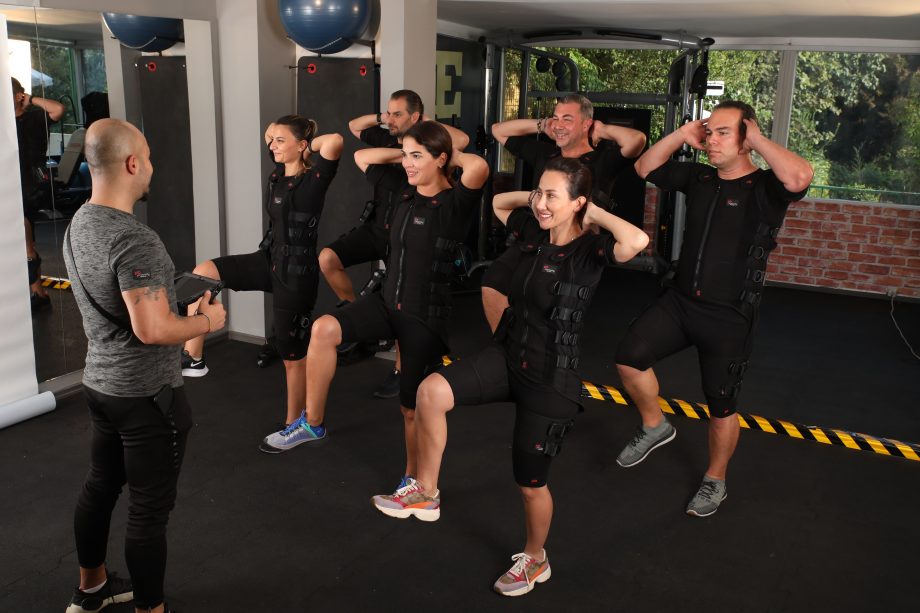
An EMS fitness session usually lasts about 20 minutes. Before training, the user puts on an EMS suit that fits their body. The suit holds the electrodes in place and transmits the electrical impulses directly to the muscles. Throughout the session, the system stimulates the muscles while specific exercise movements are performed. The exercises done in this context generally include basic bodyweight movements such as squats, push-ups and abdominal exercises.
For EMS fitness to work effectively, the electrical impulses need to be set at the right frequency and intensity. These settings vary according to people’s fitness levels and goals. In this way, participants can achieve maximum muscle activation in minimum time. In addition, using this system helps strengthen the muscles, increase endurance and correct muscle imbalances in general. In conclusion, EMS fitness is taking its place among modern training methods and stands out for its distinctive features.
Advantages
EMS fitness is a training method carried out using electromyostimulation (EMS) technology and offers many advantages. Chief among these benefits is its potential to increase muscle strength. By providing higher muscle activation than conventional training methods, it helps achieve more effective results in a short time. Research shows that EMS training activates muscle fibres effectively and supports muscle development in the process.
Another important advantage is its capacity to support fat burning. By stimulating the muscles, EMS devices activate the metabolism, which can increase calorie burning both during and after training. Various studies have found that exercise using EMS can be effective in reducing body fat percentage. As a result, it is considered a beneficial approach in terms of both aesthetics and health.
Saving time is also an important advantage of EMS fitness. While conventional training sessions usually take a long time, EMS training can be completed in much less time. A session of about 20 minutes is usually enough, and during this time the body can feel as though it has done a full workout. This is an extremely attractive feature for people with busy schedules. In addition, it carries less risk of injury thanks to low joint loading, making it a suitable option for many people.
For all these reasons, EMS fitness offers rich benefits in terms of both time and efficiency and is quickly emerging as an alternative training method today.
Disadvantages and Risks
Although EMS (electronic muscle stimulation) fitness has become a popular training method in recent years, it has some disadvantages and potential risks. Each person has different physical and health conditions, so whether EMS is suitable for everyone should be assessed carefully. First, this type of training can sometimes lead to muscle fatigue or excessive strain. This can be risky especially for first-time users, because their muscles are exposed to a type of tension they are not used to.
In addition, people with certain health problems should avoid EMS training. People with conditions such as heart disease, high blood pressure, epilepsy or pregnancy must consult their doctor before using EMS. Such health problems can increase the negative effects of muscle stimulation and lead to serious complications.
In addition, incorrect use of EMS devices can lead to certain health problems. When they are not used properly, skin irritation or side effects can occur. In addition, choosing low-quality or unsuitable devices can reduce the effect of training or lead to unwanted results. It is therefore recommended to start EMS fitness under professional guidance and using reliable products.
In short, it should not be forgotten that EMS fitness is not suitable for everyone and that it has some disadvantages that require particular attention. Health status and existing conditions are important factors in determining whether this type of training will work.
Target Audience
Electromyostimulation (EMS) fitness attracts attention as a suitable training method for people with various goals. In particular, athletes, people who want to lose weight, people who want to increase muscle strength and people in rehabilitation are among the groups that can consider this method. EMS offers an alternative training experience by working the muscles with electrical stimulation.
For athletes, EMS can be an important tool for improving performance and developing endurance. People taking part in specific sporting activities such as bodybuilding or running can optimise their muscle development by using this method as a supporting training programme. By targeting the muscle fibres directly, EMS makes more intense training possible. In this way, athletes can reach the results they want more quickly.
People who want to lose weight can also benefit from EMS training. For those who want to burn calories quickly and effectively, this method has the potential to stimulate more muscle groups in less time. In this way, when applied in addition to diet and nutrition programmes, it can speed up the weight-loss process.
In addition, EMS is also suitable for people who want to increase their muscle strength, including those with no sporting background. For people in rehabilitation, it can be applied carefully to help the muscles regain strength and increase mobility. Low-impact exercise with EMS supports recovery after injuries.
In conclusion, EMS fitness is an effective training method that appeals to a wide target audience and can be used for different purposes.
The Training Session: What Happens?
An EMS fitness training session usually lasts about 20 minutes. During this time, participants receive muscle stimulation through electrodes and can achieve effective results while spending much less time than with conventional training methods. Before the session, trainers assess the participant’s physical condition and create a customised training plan according to their personal goals. This assessment is extremely important for reducing the risk of injury and ensuring the participant’s comfort.
Before training, the participant is asked to change and put on special EMS clothing. These suits ensure the electrodes are in close contact with the skin, thereby increasing effectiveness. During the session, there is constant communication between the participant and the trainer; while the trainer gives instructions, the participant gives feedback on their comfort level and muscle responses. This interaction helps make the training experience more productive.
In the final stage of the workout, depending on the scope of the session, participants can do some stretching to relax and rest their muscles. In addition, after the session, participants are advised to drink enough water, rest and eat properly. These processes are critical for muscle recovery and improving overall performance. When applied regularly with a well-structured programme, EMS fitness training can have a positive effect on people’s physical appearance by increasing muscle strength and endurance.
Comparing EMS Training With Other Methods
Electronic muscle stimulation (EMS) training stands out for many features and benefits compared with conventional exercise methods. While conventional training methods usually focus on weightlifting, aerobic exercise and endurance work, EMS training works the muscles by stimulating them with external electrical impulses. This technique aims to increase the training effect by stimulating the muscle fibres.
The most obvious difference between these two methods is the form and intensity of training. Because conventional training is usually time-consuming, it can be difficult for people with busy schedules in their daily lives. EMS, on the other hand, provides more intense training in less time. For example, an EMS session usually lasts about 20 minutes, while a conventional training session may take 60 minutes or more.
Another important difference is the target audience. EMS training offers an ideal option for athletes who want to support muscle development quickly. Especially in rehabilitation, it helps strengthen the muscles while reducing the risk of injury. On the other hand, conventional training methods stand out as a more common choice for improving general fitness and weight-loss goals.
Both methods have their own advantages, and people are advised to choose according to their goals, health status and lifestyle. If there are time constraints or a need for special coaching support, EMS training can be an effective alternative. However, for people new to physical activity and exercise in general, considering and adopting conventional methods is also an important step.
Conclusion: An Overview of EMS Fitness
EMS fitness is a modern training technique based on stimulating and working the muscles with the electrical muscle stimulation (EMS) method. Widely used today in gyms and personal training programmes, this method allows people to carry out their training more effectively. By stimulating the muscles directly, EMS fitness helps people achieve the results of conventional exercise more quickly.
One of the most important advantages of this method is that it offers the opportunity to train effectively even in limited time. It can be an ideal option especially for people with a busy lifestyle. These workouts with EMS devices also lead to higher calorie burning by targeting muscle groups. In addition, it stands out as a method that can also be used in rehabilitation after illness.
In conclusion, EMS fitness has gained a notable place among modern training techniques. Evaluating its advantages and disadvantages and offering the right guidance to people who want to try this method can be an indispensable part of an effective training programme.
