
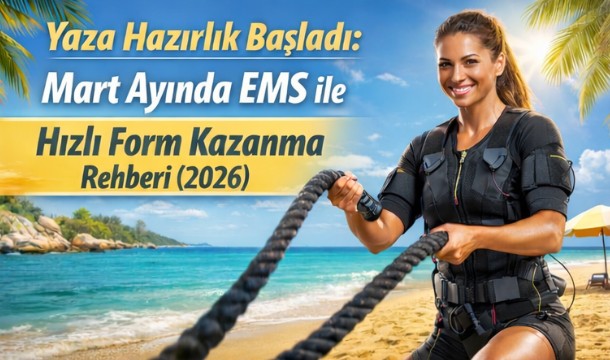
What Is EMS?
Electrical muscle stimulation (EMS) is a fitness method based on stimulating the muscles through electrical impulses. This technology is frequently used in gyms and rehabilitation centres to strengthen the muscles and work various muscle groups. In EMS training, electrical signals are sent to users through electrodes placed on their bodies. These signals cause the muscles to contract involuntarily, so the muscles work as if they were being trained.
EMS offers many advantages, such as increasing and toning muscle strength and developing muscle mass. In addition, it is especially useful for people looking to get in shape quickly in line with their pre-summer fitness goals. When combined with conventional training methods, EMS can speed up weight loss and help reach a target weight. Thanks to various programmes for different muscle groups, it makes it possible to offer a solution that suits users’ needs.
It also has many potential areas of use. It can be effective in areas such as regaining muscle strength after injuries during rehabilitation, improving sports performance and even pain management. The muscles’ ability to sense electricity and respond to it forms the basis of EMS. In summary, EMS is a method that is revolutionising muscle stimulation, offering a remarkable innovation both in gyms and in individual training programmes.
Why Should We Get in Shape With EMS?
Electrical muscle stimulation (EMS) has become an important tool for athletes and fitness enthusiasts, especially in pre-summer fitness programmes. One of the advantages of EMS training is fast muscle gain. Compared with conventional training methods, EMS stimulates muscle fibres more intensely, making it possible to develop more muscle mass in less time. This supports many people in reaching their goal of getting in shape quickly.
Another important advantage is that it saves time. With today’s busy lifestyles, many people struggle to find enough time for training. Getting in shape with EMS offers the opportunity to do an effective workout in a short time. A session of only about 20 minutes can provide the muscle stimulation of a conventional workout. This offers busy people a practical solution, allowing them to keep up their weight-loss and muscle-gain goals.
It is also known that EMS training can reduce the risk of injury. In conventional training, injuries are common due to factors such as incorrect technique or overloading. However, muscle stimulation with EMS offers a safer training alternative, especially for people in rehabilitation. Because the load on joints is low, situations of excessive strain are minimised, significantly reducing the risk of injury when sessions are properly supervised.
Planning and Goal-Setting in March
March, when the foundations of summer preparation are laid, plays a critical role in helping people reach their fitness goals. During this period, careful planning should be done to achieve the goal of getting in shape quickly, especially with EMS training methods. As summer approaches, everyone’s aim is to have a fitter body and to progress with effective strategies. That is why setting the right goals is extremely important for increasing motivation and measuring success realistically.
When setting goals, it is necessary to consider personal needs and expectations. For example, while some people set a goal of losing weight with EMS, others may only want to increase muscle tone or raise their general endurance level. In this context, it is recommended to set your goals based on the SMART criteria (Specific, Measurable, Achievable, Realistic, Time-bound). This allows you to track your progress easily and see your goals more clearly.
In addition, integrating your EMS programme into these goals will increase your success rate. For example, deciding which days you will use the EMS device in your weekly or monthly training programme will provide discipline in this process. It is important to adjust training frequency and duration according to both your body type and your predetermined goals. Electrical muscle stimulation should be included in this programme as a tool that will help you reach your goals.
In conclusion, the goals you set in March will strengthen your preparation for summer. By making the most of this period, it is possible to create a fitness programme that suits your lifestyle and achieve your goals with EMS training.
EMS Application Methods
Electrical muscle stimulation (EMS) stands out as an effective method in weight loss and pre-summer fitness. The use of an EMS device can be made more effective with different application techniques and training durations. First, it will be beneficial to get help from an expert before using an EMS device. The application method can vary depending on the person’s goals and current fitness level.
Surface applications, one of the EMS training methods, stimulate the muscles with electrodes placed directly on the skin. With this method, more intense muscle contraction is achieved in the desired area of the muscle during body work. In addition to surface applications, there are also programmes designed to reach deeper muscle layers. These applications act on deeper layers of the muscles and promote muscle growth.
Whole-body EMS sessions should generally be done once or twice a week, with at least 48 hours of rest between them. Session length varies according to the person’s physical condition and goals, but sessions of about 20 minutes are generally recommended. Even if the aim is to lose weight with EMS, attention must also be paid to lifestyle changes such as regular exercise and healthy eating alongside the sessions. This will make it easier to reach the goal of getting in shape quickly.
Session frequency should be adjusted bearing in mind that the muscles need rest. Excessive use can strain the muscles, so it is important to let the muscles rest after each workout. These methods should be taken into account by anyone who wants to support their pre-summer fitness process with an EMS device.
The Role of Nutrition
The importance of nutrition in pre-summer fitness cannot be denied. The body needs the right nutrients both to store energy and to support muscle development. Especially if you are doing electromyostimulation (EMS) training, choosing your food carefully can speed up your progress.
High-quality protein sources are necessary for muscle repair and development. Chicken, fish, eggs and pulses are protein-rich foods and should definitely be part of the diet of people who exercise. Eating such foods can increase the effect of exercise combined with electrical muscle stimulation. Protein intake should be adjusted according to your daily activity level; in general, people with muscle-building goals need to eat more protein.
In addition, carbohydrates are basic components the body needs as a source of energy. Whole grains, vegetables and fruit are healthy sources of carbohydrates. During summer preparation, these foods are necessary for the body to perform during training. In addition to carbohydrates, it is also important to get enough fat. Healthy fats such as olive oil, avocado and nuts help maintain overall nutritional balance.
Finally, fluid intake is another important factor that should not be overlooked in the process of getting in shape. Drinking enough water both protects muscle health and improves overall performance. Especially during periods of intense exercise, water and electrolyte balance should be maintained to prevent fluid loss. From this perspective, creating a healthy nutrition plan is a critical step for losing weight and getting in shape quickly with EMS.
Technical and Safety Measures
Because EMS training is carried out using electrical muscle stimulation, it requires special technical details and safety measures. First, before using EMS devices, it is important for users to understand how these devices work. Reading the user manual carefully is necessary to set up the device correctly.
Another important point to consider when stimulating muscle groups during weight loss with EMS is session length. A whole-body session generally lasts about 20 minutes and this should not be exceeded. Long sessions can cause muscle fatigue or skin irritation. In addition, there should be at least 48 hours of rest between sessions; this is necessary for the muscles to recover fully.
Side effects should also be considered. EMS training can cause mild skin irritation, muscle cramps or a feeling of discomfort in some people. If such symptoms occur, it is important to stop the device and consult a specialist. At the same time, care should be taken when using gels because of the risk of allergic reactions.
Before starting EMS training, you should consult a healthcare professional if you have conditions such as heart disease or pregnancy. It should also be borne in mind that the device may produce unwanted results if it is not used with the right settings. All these technical details and safety measures are important for achieving pre-summer fitness goals more successfully and healthily.
Performance Tracking and Improvement
The goal of getting in shape quickly with EMS training is achievable by applying effective performance tracking and improvement methods. This process is very important for tracking the effect of training and personal development. First, it is necessary to understand what the defined performance goals are. These goals usually include elements such as increased strength, improved endurance and improved body composition.
The most common way to track progress is to measure physical parameters regularly. For example, values such as body weight, body fat percentage and muscle mass can be compared with your starting point. In addition, changes felt during training provide information about increases in endurance and strength. For people aiming to lose weight with EMS, recording body measurements is one of the most important indicators in this process.
In addition, the consistency and frequency of EMS training should be assessed regularly. After a certain period, necessary changes can be made to the training programme. If no clear progress is observed in the first weeks, it is important to review the techniques and intensity used. In performance tracking, the support of personal trainers or experts can be useful in finding the right approach to assessing training.
In conclusion, for those who want to reach their pre-summer fitness goals with EMS, developing the ability to track progress and make regular improvements will be a critical step. This systematic approach to training will not only improve results but also raise motivation.
Strategies for Maintaining Motivation and Consistency
One of the most critical elements of getting in shape is maintaining motivation. Especially for people aiming to get in shape quickly with EMS training in line with their pre-summer fitness goals, ways of keeping motivated during this process are very important.
People are first advised to set clear, achievable goals. These goals can be categorised as short-term (weekly) and long-term (monthly or seasonal). Short-term goals allow progress to be observed concretely, while long-term goals help keep the focus on ultimate success.
In addition, creating a regular training schedule is a critical strategy for ensuring consistent progress. Training days focusing on weight loss with EMS and electrical muscle stimulation should follow the schedule the participant has planned in advance. Preparing this plan carefully can increase a person’s motivation to train.
Creating support groups can be helpful in dealing with the difficulties you may encounter on the way to success. A community sharing EMS training and pre-summer fitness goals will increase both motivation and a sense of accountability. Friends and family members on social media or at the gym can help make this process more enjoyable.
In addition, a reward strategy is also very effective. Motivating yourself with small rewards when you reach your goals or maintain consistency in your EMS training programme can contribute to your progress.
Finally, one of the most important points about motivation is building a positive mindset. Seeing your setbacks as learning opportunities is ultimately the key to successfully getting in shape. Thinking positively during weight loss and development with EMS will keep motivation high.
From March to Summer: Conclusion and Assessment
An EMS training programme started in March lays important groundwork for the transition to the summer months. Electrical muscle stimulation speeds up athletes’ and fitness enthusiasts’ progress towards their pre-summer fitness goals while also increasing muscle tone and optimising fat burning. The results achieved in this process include critical elements that will help maintain and develop fitness during the summer months.
The fitness gained through successful EMS training should be planned so that it continues through the summer months. First, continuing the training routine in summer is essential for maintaining the body’s adaptation. In addition, considering the challenges of summer heat, training durations and intensities should be adjusted individually. In this way, the goal of getting in shape quickly can be made sustainable throughout the summer.
People who reach their weight-loss goals with EMS also need to pay attention to a regular, balanced nutrition programme to maintain the endurance and muscle mass they have gained. Adequate protein intake and hydration are vital in this process. In addition, adding aerobic activities and stretching exercises will support muscle recovery and contribute to improved performance.
In conclusion, the body shape achieved with EMS training should be maintained in the summer months with a disciplined approach and the right strategy. Successful practices in this process are the key not only to staying fit throughout the summer but also to maintaining a healthy lifestyle all year round.
